
Resilience and Life Skills Program
Kamonyi & Gatsibo Districts
CFO initiated Village Savings and Loan Associations (VSLAs) and linked Community Hygiene Clubs to income-generating activities, helping communities fight poverty through savings and micro-businesses.
25
VSLAs in Kamonyi District
30
Savings Groups in Gatsibo
RwF 2.2M+
Total Savings in One Year
4
Women Associations Established
40
Women Trained in Pad Production
20
Sewing Machines Distributed
The Story
As part of helping rural communities fight poverty and improve their lives, CFO sensitizes communities to form Village Saving and Loan Associations (VSLAs) where members contribute small amounts on a weekly basis. These savings are used to start micro businesses among members.
Within 6 months of the INEZA project timeline, CFO initiated 25 VSLAs in 3 sectors of Kamonyi District (Karama, Rukoma, Gacurabwenge). During the project Open Day, District Authorities visited VSLA groups and appreciated the growth of the savings groups.
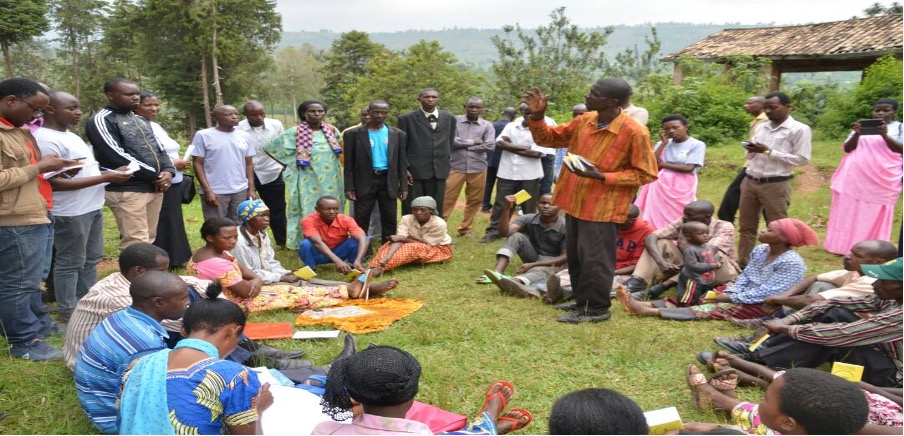
During the Ineza Project Open Day, the District Authorities visited VSLA group and appreciated the growth of the Saving groups
With the Gatsibo Project and Integrated Sanitation Project, CFO linked Community Hygiene Clubs to income-generating activities, savings schemes, and other economic activities such as business, breeding, and agriculture.
Village Saving & Loan Associations
A VSLA is a group of 10-25 people who save together and take small loans from those savings. The activities take about one year, after which accumulated savings and profits are shared among members according to their contributions.
CFO organizes trainings to equip members with basic knowledge in micro credit group management, recording transactions properly, preparing micro business plans, and understanding the benefits of savings.
- Group of 10-25 people who save together
- Small loans available from pooled savings
- Activities span approximately one year
- Profits shared according to contributions
- Training in micro credit group management
- Support for recording transactions properly
- Guidance on preparing micro business plans
- Education on the benefits of savings
RwF 2,202,670+
Total savings achieved by 30 groups in Gatsibo District within one year of establishment
Income Activities
- Farming and agriculture
- Breeding animals
- Selling agricultural products
- Savings that generate profits
- Tailoring and sewing
- Sanitary pad production
Savings Groups Success
Thirty savings and loan groups were established to help members develop a habit of saving and engage with financial institutions.
Through various activities including farming, breeding, selling agricultural products, savings that generate profits, and tailoring, members earn money and improve their livelihoods. The combined savings exceeded RwF 2.2 million within just one year.
Sanitary Pad Production Initiative
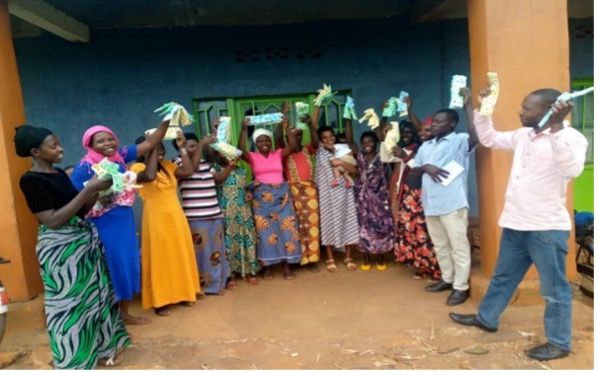
Women's Associations
Four women associations composed of 40 members were established and trained on menstruation, MHM, law governing cooperatives, business management, and sanitary pad production.
They were equipped with 20 sewing machines and all necessary items for a sanitary pad laboratory. They now produce reusable sanitary pads and sell their products to community members.
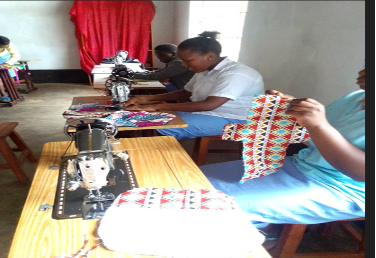
School Girl's Clubs
Learning from women association members, Girl's Club members from 3 schools (GS Bibare, GS Bugarura, and TVET Sainte Josephine) requested training on making reusable sanitary pads.
They have been trained and now produce sanitary pads distributed within their schools, ensuring girls have access to menstrual hygiene products.
“Women are very excited for having successfully produced the sanitary pads. They confirmed enhanced self-confidence in business management and marketing. They have learned from their mistakes and promised to try different ways of improving their business.”
Business Management Success
The training on business management has been very successful in nurturing cash production. Women managed their businesses successfully and improved hygiene at household and community levels.
This integrated approach demonstrates how linking health education with economic empowerment creates sustainable change in communities.
Invest in Community Resilience
Your support helps communities build sustainable livelihoods and break the cycle of poverty.